Colour Dye Fading
All dyes are fugitive to some extent; they dark fade and light fade. Different dyes have different fade characteristics. With Eastman Colour Print film it is usually the cyan layer that fades first followed by the yellow dye with the magenta dye being most stable. Faded Eastman Colour Prints usually look red/ magenta.
However over the years different dyes have been used which all have slightly different fade characteristics. Films from other manufacturers will fade to different colours.
Faded prints can be corrected photochemically by making an internegative and a new print. However Internegative stocks were originally designed for making negatives from colour reversal originals and using them for copying projection contrast prints will lead to an increase in contrast, The best solution is to make separation negatives, separation positives, a duplicate negative and a new print. Both systems obviously assume that an unfaded negative is not available.
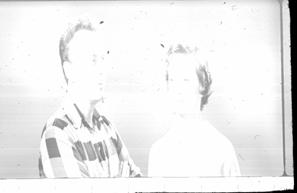
Whilst a fairly successful result can be obtained from the above processes particularly with the separation route where contrasts can be adjusted by far the best solution is to scan the print digitally. manipulate with software and make a new negative by the digital intermediate. The reason for this is that the fading causes a loss of contrast in the faded layers which is difficult to solve with photochemical methods
Click on images to see larger image
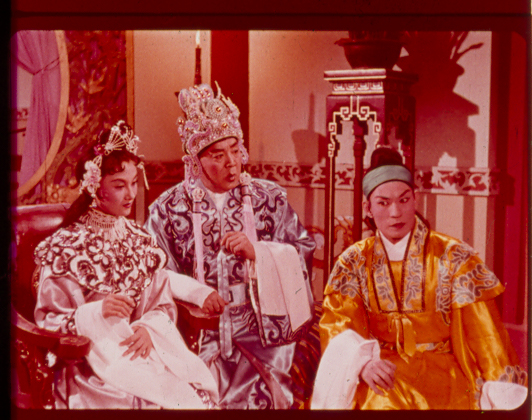
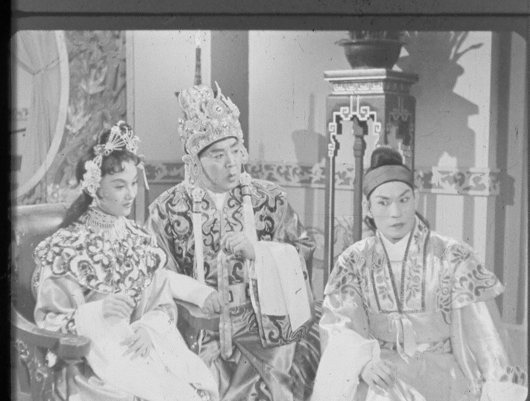
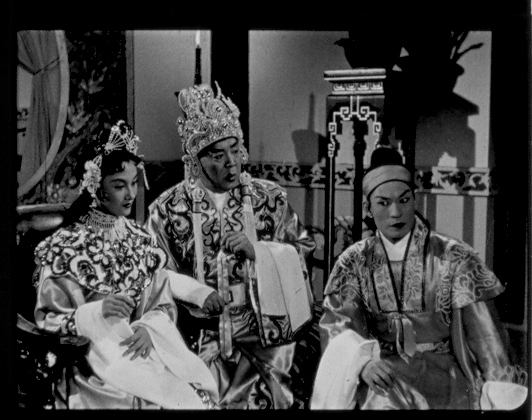
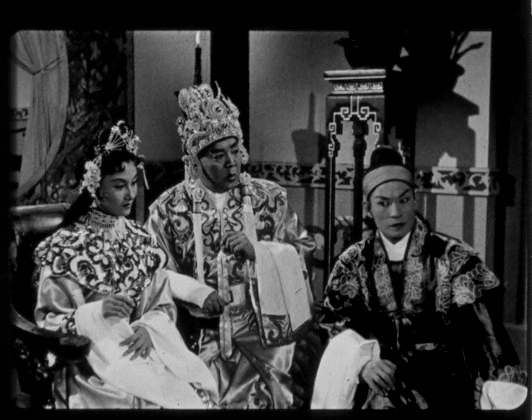
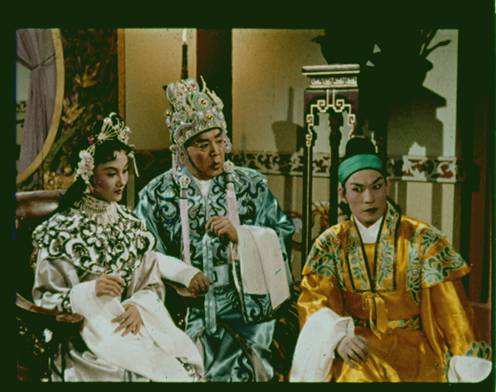
Eastmancolor Faded Print
Red Layer of faded print
Green Layer of faded print
Blue layer of faded print
Digitally corrected print
Faded Eastman Colour Print, RED, GREEN AND BLUE SEPARATIONS, corrected frame (by Photoshop).
Note the loss of density and contrast in the RED separation.
This is a Technirama frame printed on 70mm Eastman color print
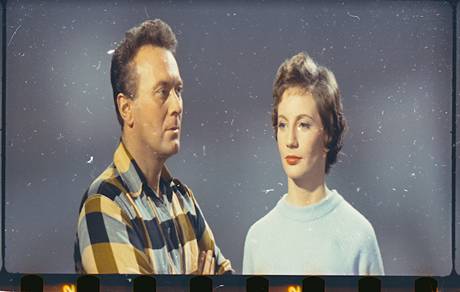
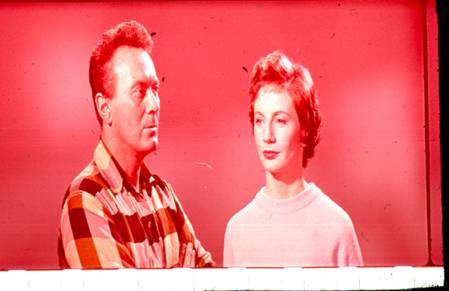
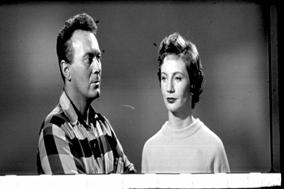
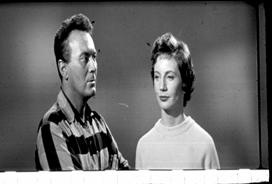
Digitally corrected Eastmancolor Print using Photoshop 7
Faded Eastmancolor print
Red Layer of faded prinr note the almost loss of image
Green layer of faded Eastmancolor print
Blue Faded layer of Eastmancolor print