Multi-perforation Formats
Multi-perforation formats were introduced so that laboratories could process and print formats on laboratory machines that were designed for common formats such as 16mm and 35mm. If. for example. a laboratory had a processing machine could only transport 35mm it could use 35/32mm print stock to produce 2 x 16mm copies side by side which could then be slit into two copies.
Similarly Standard and Super 8mm copies werr printed on to 16mm film with two sets of 8mm perforations
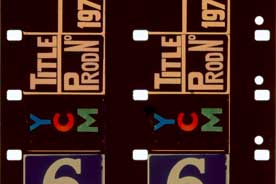
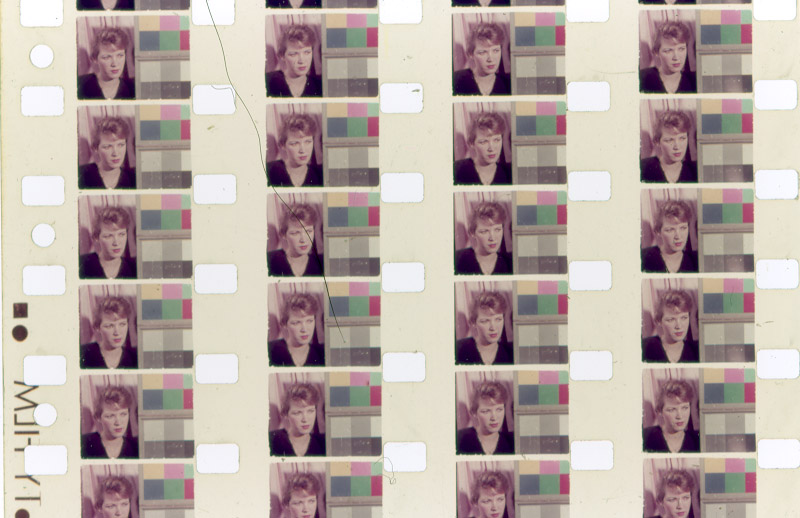
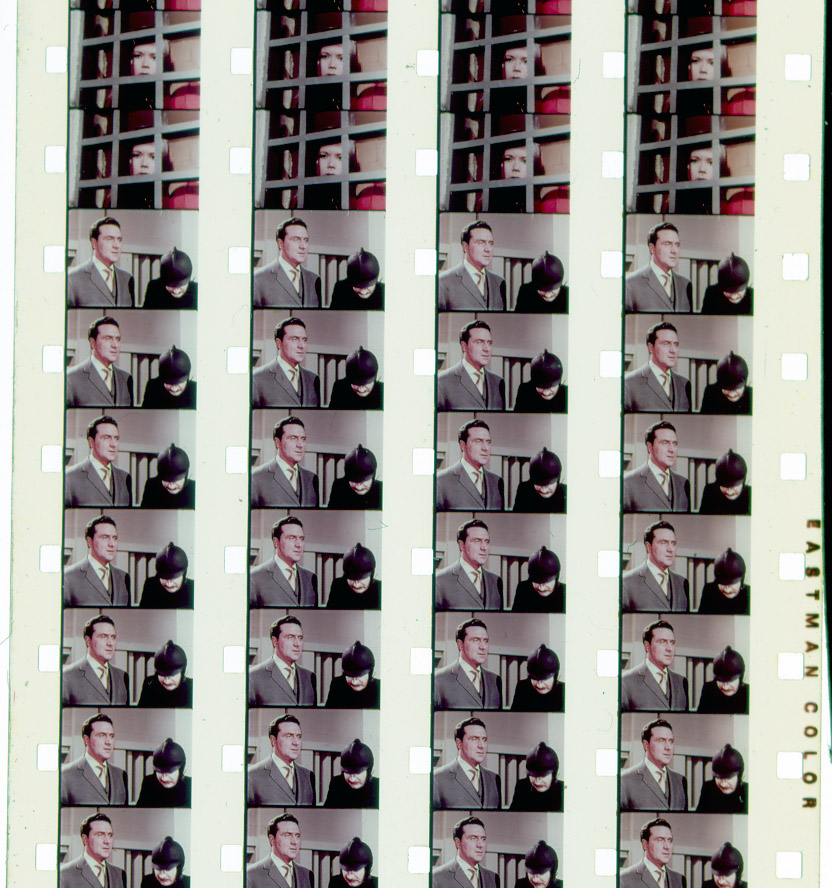
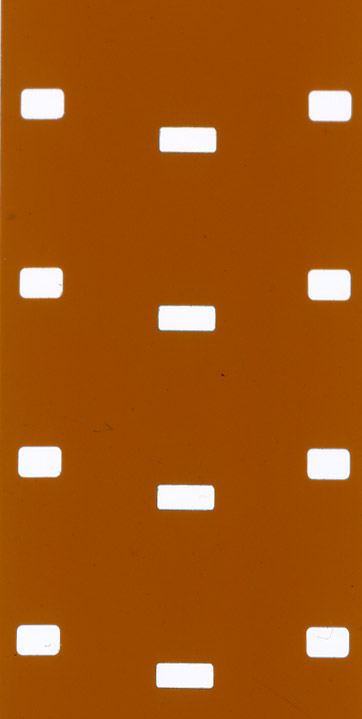
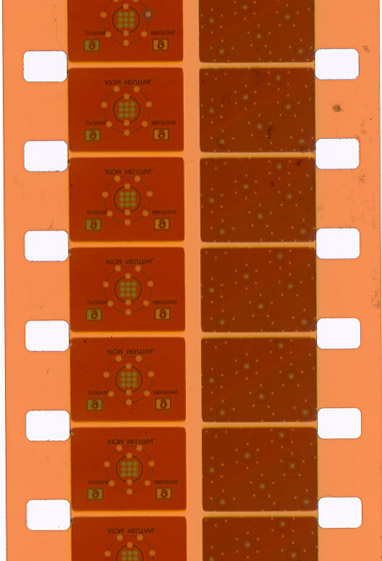
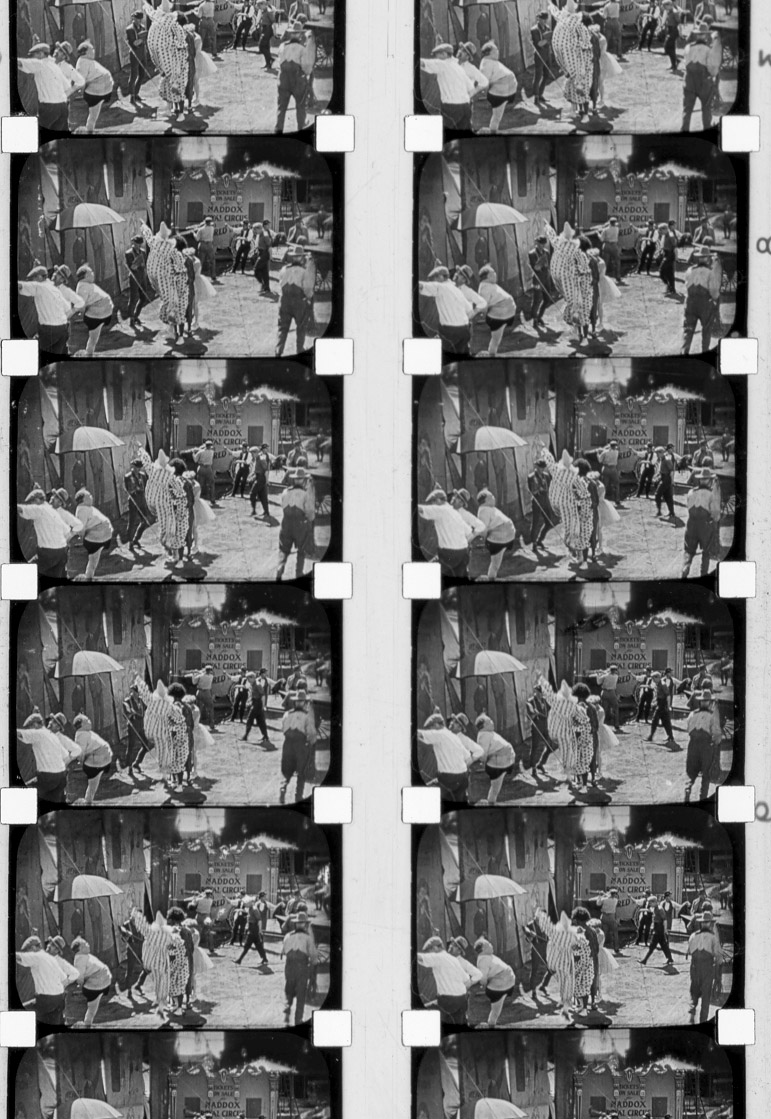
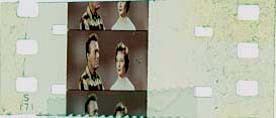
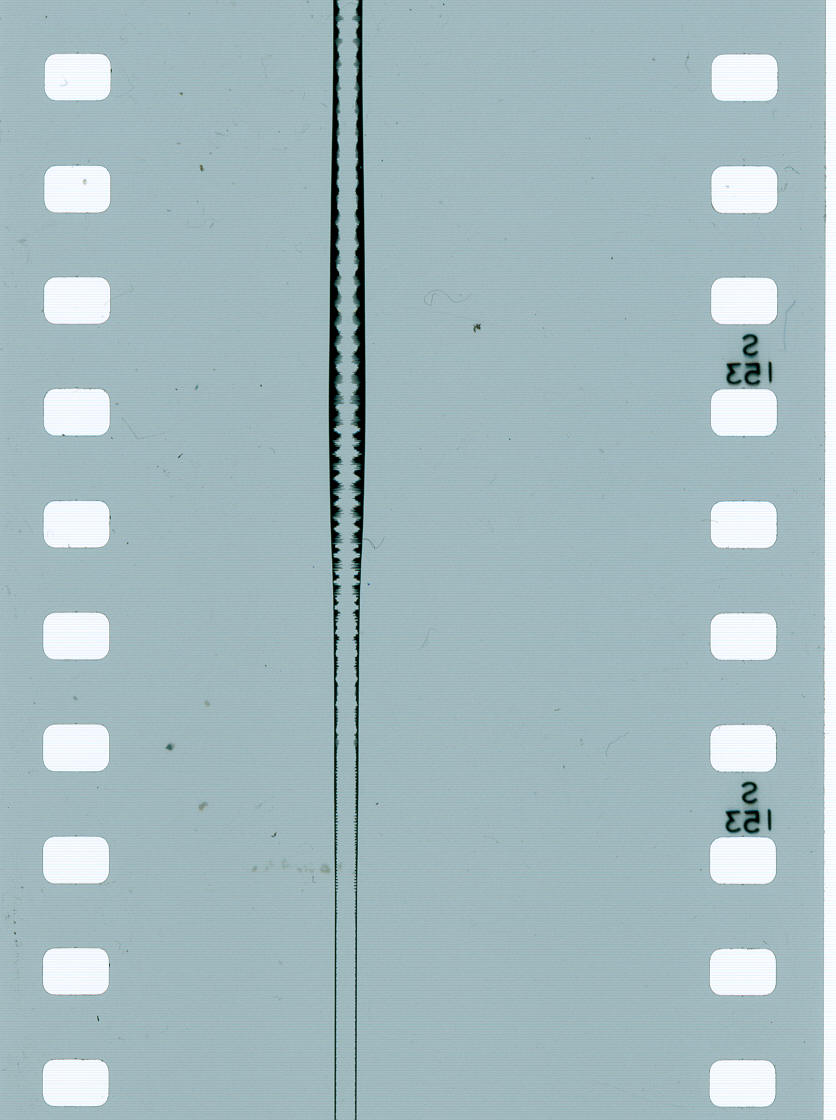
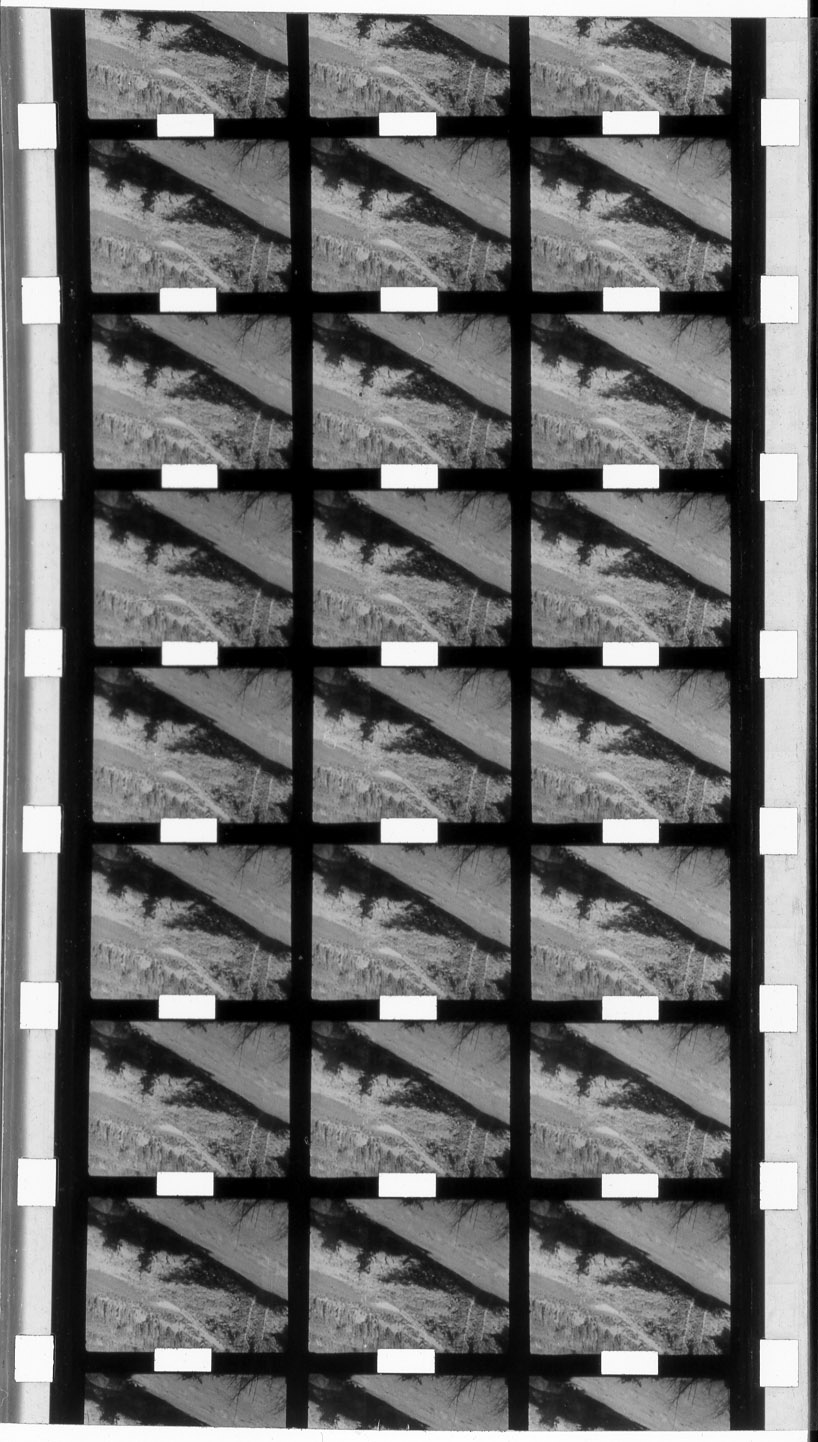
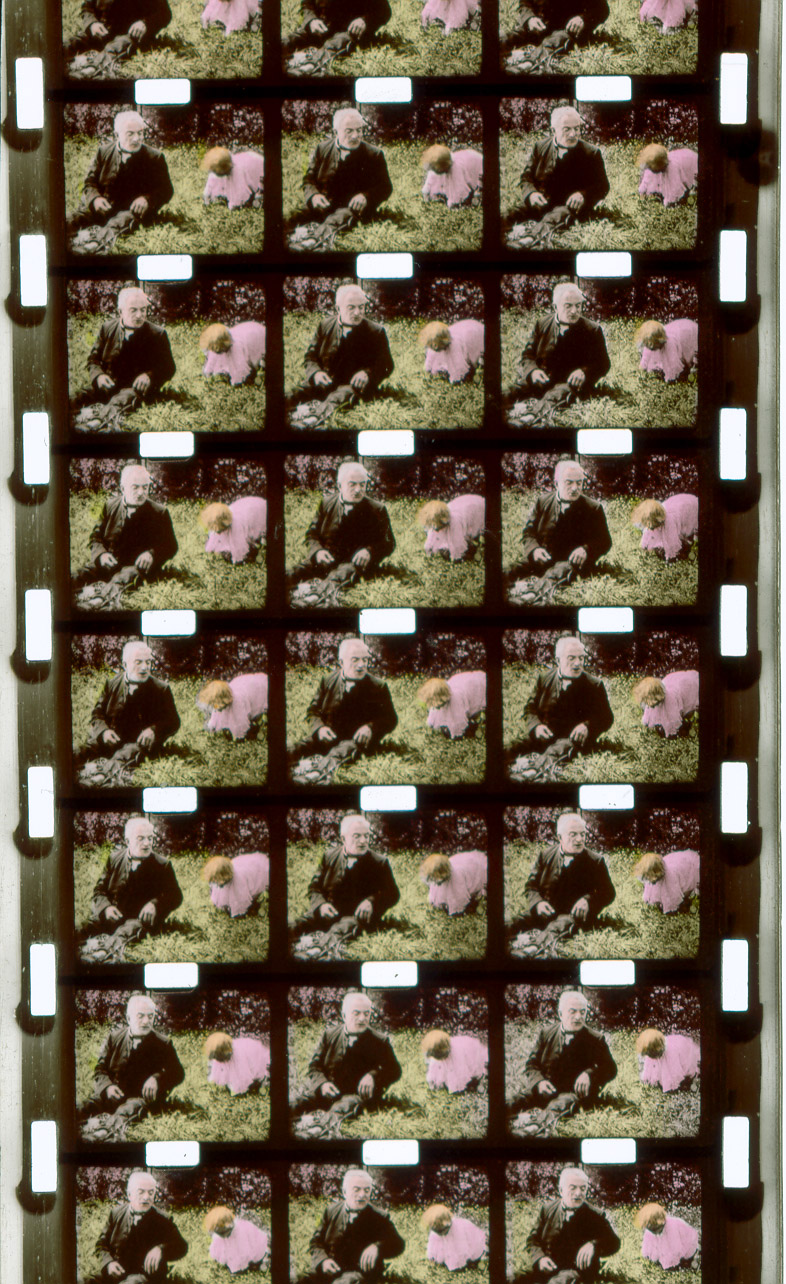
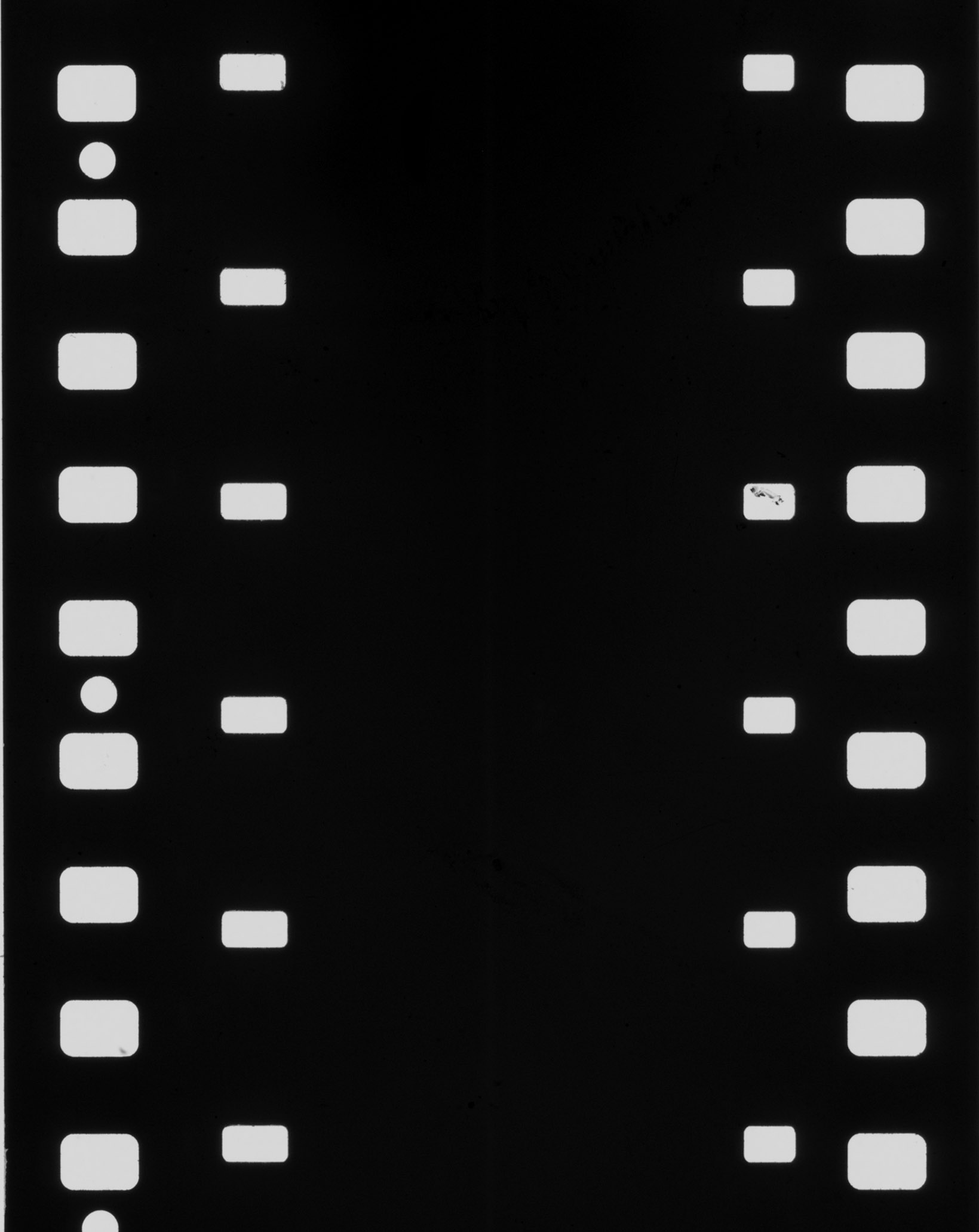
Images from left to right. Please click on image for larger image.
Top Row 1 to 4
Middle Row 5 to8
Lower Row 9 to 12
- 35mm with 3 rows of 16mm perforations. The right-hand side perforations were removed when the print was slit leaving two 16mm width prints.
- 35mm with 5 rows of standard 8mm perforations The left-hand side perforations were removed when the print was slit leaving four 8mm width prints.
- 35mm with 5 rows of super 8mm perforations The right-hand side perforations were removed when the print was slit leaving four Super 8mm width prints.
- 16mm with 1 set of 9.5mm perforations, The two edges and perforations were removed leaving a 9.5mm width film.
- Double standard 8mm negative used for printing double 8mm prints which were slit into two copies.
- Double super 8mm negative used for printing double super 8mm prints which were slit into two copies.
- 2 Row Pathe Rural 17.5mm on 35mm
- Technicolor "Single Rank". A very wasteful process, for early dye transfer 16mm. They made a 35mm matrix with a reduction 16mm image on it. After striking the print, the stock was perforated and everything else was slit off. Technicolor had terrible trouble with stability, register and light changes being off. This process was replaced by "Double Rank" a precursor to 35/32, that only Technicolor could print.Information kindly supplied by Paul Rutan
- 35mm sound negative with the 16mm optical sound trac
- 35mm with three sets of 9.5mm perforations and two sets of Pathe Rural perfs
- 35mm with three sets of 9.5mm perfs and two sets of unknown perforations
- 35mm with a set of 9.5mm perfs and a set of 16mm perforations.