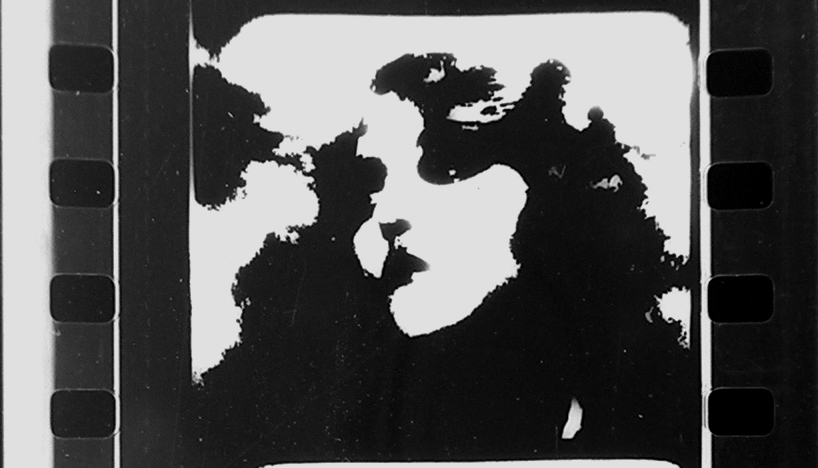
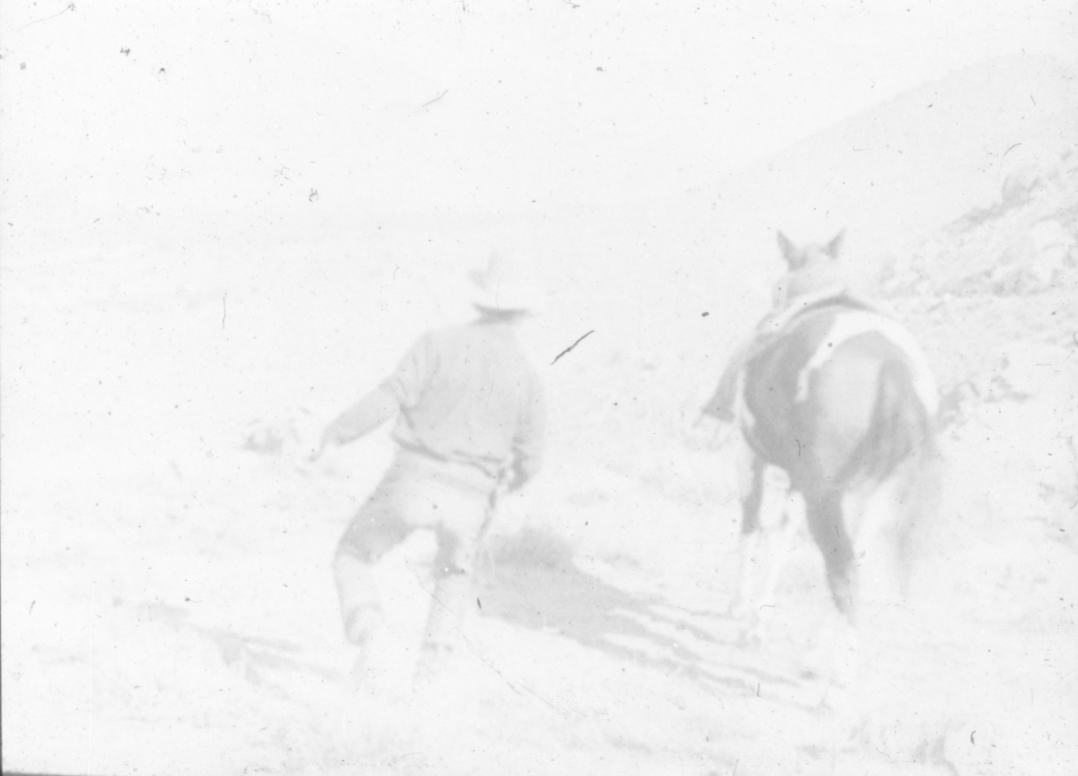
Light 1
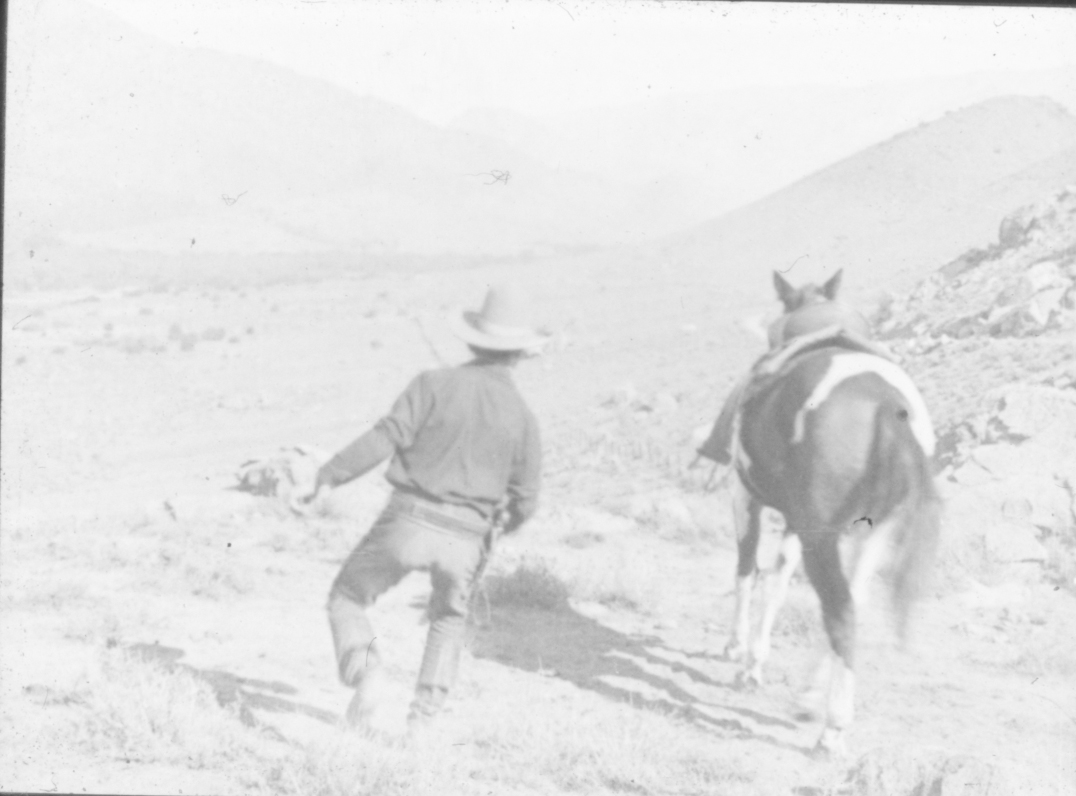
Light 5
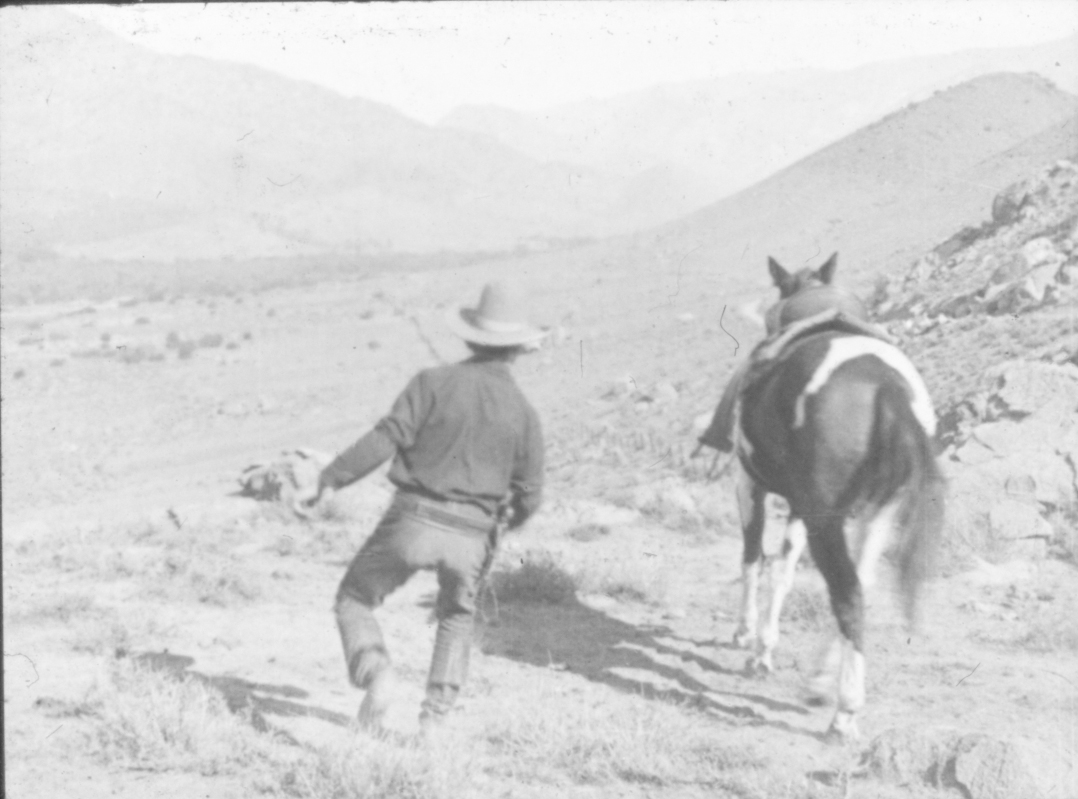
Light 10
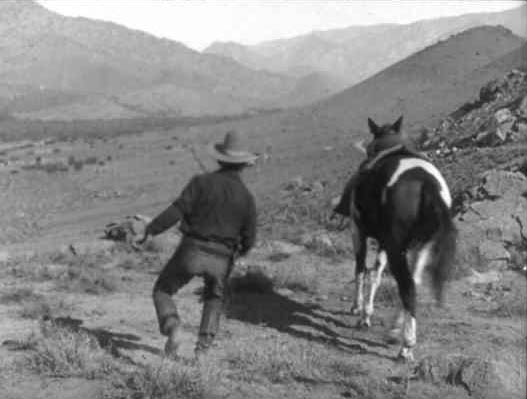
Light 15
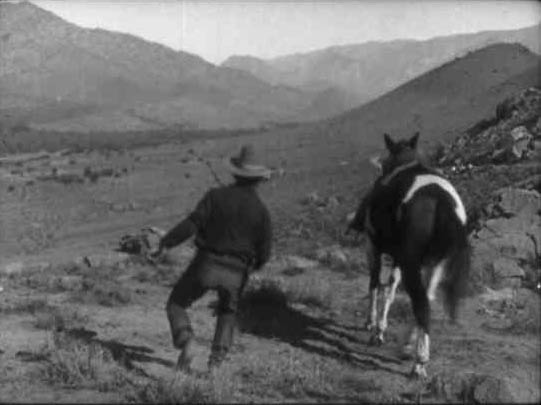
Light 20
BW Prints mage from negative at different lights on a Bell and Howell Model D printer
Sight Grading
Please click images to see larger image
www.brianpritchard.com/wp/Printer Grading Charts.html
Every piece of film that we print needs to have an exposure level so that the resultant printed material is of the correct density. It must not be too light or too dark. The process of determining the exposure level we call GRADING in Europe and TIMING in the USA.
Sight grading requires the grader to determine the exposure level by examining the film over a light box using a magnifier.
The one of the advantages of sight grading systems is that it requires very little equipment, just a rewind table with a light box.
The disadvantage of sight grading is that it requires considerable practice, probably a matter of years.
The Printer Point is the basic unit of grading. The unit used now is the Bell and Howell Printer Point. The technical definition is that a one-point change is equivalent to altering the exposure by 0.25 Log Exposure. This means that the amount of light doubles for every twelve-printer points.
The method by which the grader communicates with the printing machine is called a cue. As well as telling the Printing machine where we want the light change, we must tell it the value of the exposure or the printing light. We do this by a band or chart.
We are trying to reproduce, within the limits of the photographic process, the original scene. There are occasions when the customer does not want an exact reproduction of the original scene. For example, when a scene is shot Day-for-Night, that is a scene is photographed during the day and needs to look like night.
The shadows are the darkest areas of the scene; they will appear lightest in a negative. The highlights are the lightest areas in the scenes, the darkest in the negative. A dark suit would be a good example of a shadow area and a white shirt a highlight area.
Grading is carried out by mentally comparing the scene in front of you with a standard scene that will print at the middle of the printer scale. Some laboratories have their standard setting at a point below the midpoint of the printer range because the grader is more likely to require high lights for overexposed scenes than low lights for underexposed scenes. If a scene is underexposed, then the resultant negative will have loss of detail in the shadows. No matter how low a light you use you can never bring out detail that is not there. Using a low light will give a print that is washed out and thin without a good black. Unless we are dealing with a technical film or a newsreel where information from the image is more important than picture quality, we will get a more pleasing result by keeping the blacks black and perhaps sacrificing a little shadow detail. The cameraman produces day-for-night by deliberately underexposing to lose shadow detail and the grader keeping the print dark. He must be careful not to include the sun!
The grader must keep his mental image of the standard scene in his mind all the time he is grading. He also must assume that the control is keeping the printers and process on aim. It is impossible for a grader to get a good result if he is not sure that a particular light will always give the same result.
Before we start grading, we must decide which printing machine to use and whether to print the film forwards or backwards. If the film is single perforated 16mm then we do not have a choice because the film will only run one way on the printer just as in a projector. 35mm can be printed either way.
Which printing machine we use will depend on the type of work we are doing. That is are we making a negative or a print or a duplicating positive? In some laboratories different machines are used for different stocks. The condition of the film will also help us to decide on the appropriate machine. Some machines cannot handle shrunken films.
We decide on the direction by checking several factors. We must select the type of cues we are using. This will depend on the systems available on each printer; some laboratories use only one type of cueing, for example FCC
If we are using RF Cues and the film is already cued for a backwards run, then it is sensible to print the film backwards. The condition of the film is also a deciding factor. If the film is badly shrunken, then we might have to print it forward to avoid the shrunken picture appearing in the soundtrack area.
Most 35mm Printing Machines has adjustable or interchangeable gates usually known as masks. The usual gate is a five-way gate; full aperture or silent mask, forwards-picture mask, backwards-picture mask, forwards-sound mask and backwards-sound mask. The grader must specify which mask to use and that depends on what we are printing.
The first light on a film is usually the Academy Leader and often has one or more grey scales or step wedges cut in to it. Many laboratories have their own wedge that they cut into each film. This can be measured on a densitometer to ascertain whether the print density is right. This assumes that the wedge has been given a known standard light. If the process or printer varies then this wedge will be wrong. It is good practise to always give the leader a standard light even if your laboratory does not use a wedge.
We can now commence to grade the film. The first scenes are likely to be title or even a censor. Both are often shot on clear base high contrast film stock. We must judge the exposure so that the white is white, and the blacks are black. Because we are dealing with high contrast material the exposure is quite critical. Too much exposure and the whites will ‘fill-in’ and too little and the blacks will be grey. A couple of lights less than the mid light should be about right for normally exposed titles. If they are super-imposed titles, then we also must consider the background. Superimposed titles will be on duplicate negative stock and will have a normal contrast, so we have more latitude. Duplicate negatives are almost always heavier than a camera negative. This is because the duplicate negative must produce the same tonal range as a camera negative. A camera negative is exposed so that the shadows are on the toe of the curve. When a print is made, and the shadows then appear on the shoulder of the print stock the result is a close reproduction of the brightness range of the original scene. To retain the close reproduction, the duplicates must be printed on the straight-line portion of the curve.
As we make our way through the film, we must examine each scene to determine how much detail we want in the highlights or shadows. We will always check the scene in several places in case the shot involves a pan or tracking shot and the exposure varies through the shot. We also keep in mind the previous scene so that we can maintain an even balance through the film. It is often said that you should grade for flesh tones. From a colour viewpoint this might be true but in general you must grade for the highlights and shadows and largely ignore the skin densities. Obviously, there are shots for example where the director wanted the face in silhouette then we ignore the shadow detail and make sure the face is as the director wanted. A great difficulty for a grader working in the archive field is that the director’s instructions for grading are no longer available and most likely neither is the director! We then must interpret the film as we hope the director wanted, although we usually have a client who is going to decide how he wants the film graded.
Once we have completed the grading for the film or reel then we must produce the appropriate bands for it. We can then send the film to be cleaned and printed. For more information on Grading Bands please click the link.
It is essential for a grader to see as much of his work on the screen as is possible. He can then learn where he is making errors and to equate his view of the negative over the bench with a picture on the screen. The only way to become and stay a good grader is to have lots of practice with a continual self-appraisal by viewing as much of your work as possible.
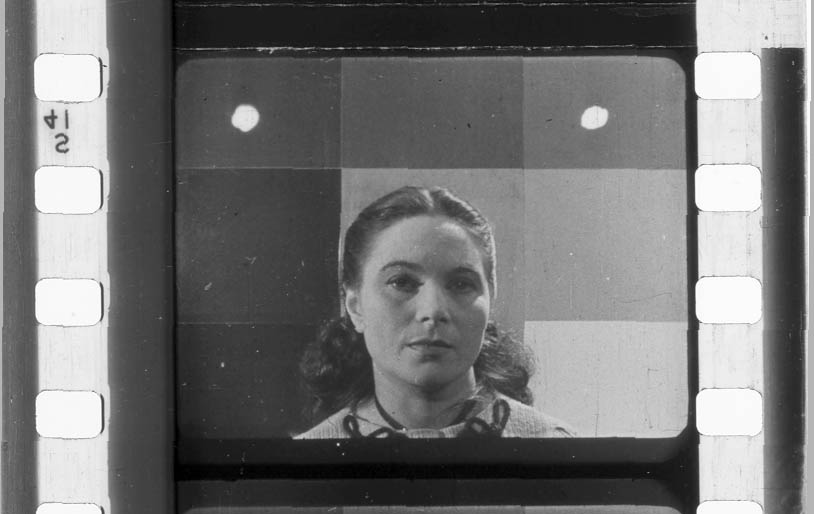
Lady Test Frame
Click on images to see larger image
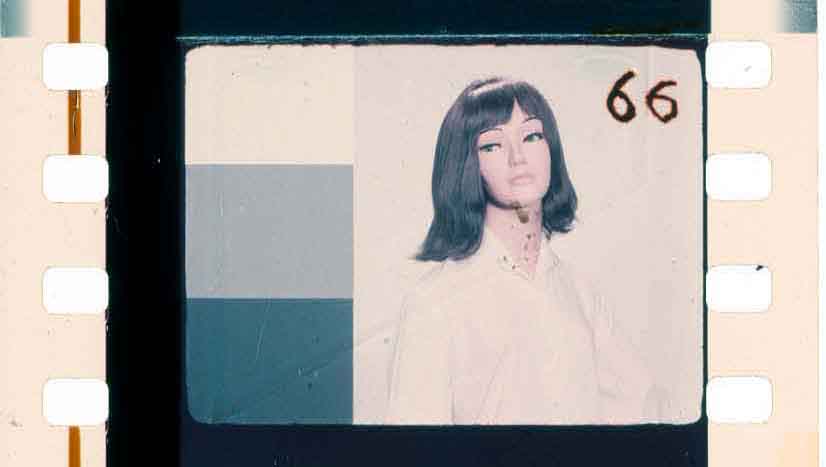
China Lady Test Frame